
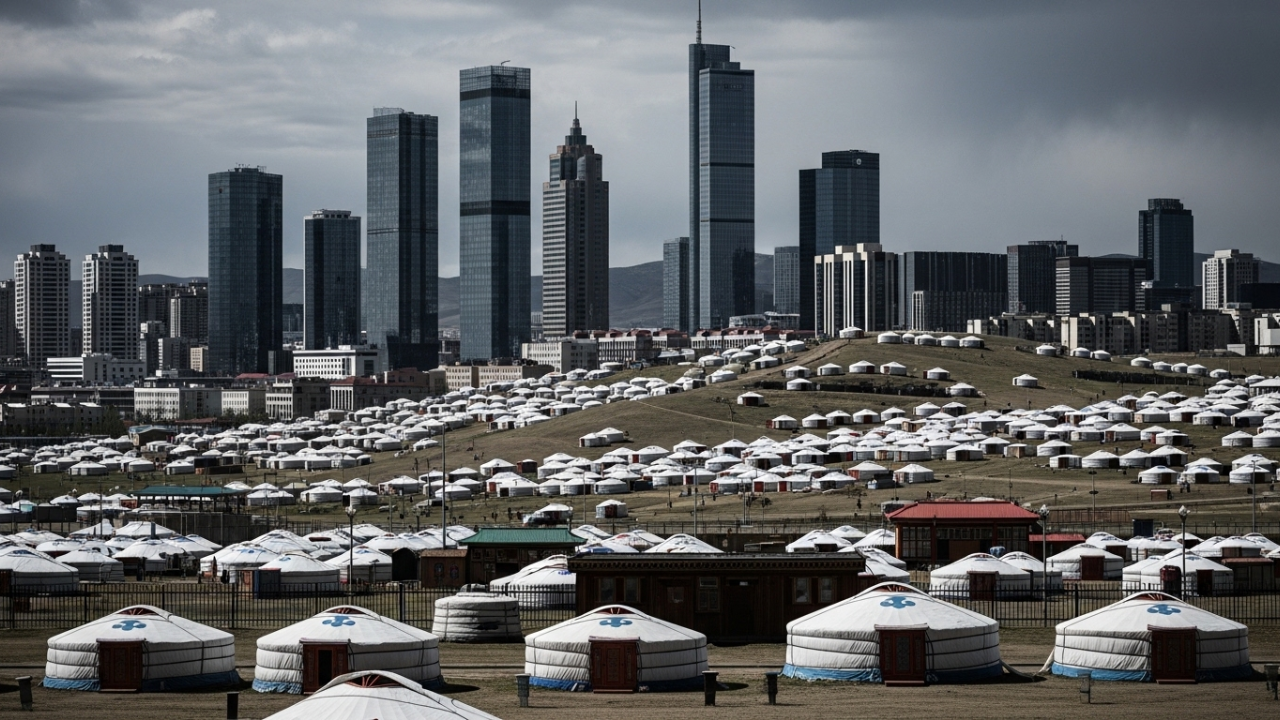
Step into the fascinating world of oronsuuts, a unique housing phenomenon that reflects both history and culture. Originating in Mongolia, these distinctive apartments tell stories of community living while adapting to modern urban life. Whether you’re curious about their architectural features or their role in contemporary society, this guide will provide a comprehensive look at what makes oronsuuts so special. Get ready to uncover the nuances behind these intriguing dwellings!
Exploring the Unique World of Oron suuts: A Comprehensive Guide
Oronsuuts are not just buildings; they symbolize a way of life. These apartments are often characterized by their practical designs, aiming to maximize space and functionality for urban dwellers. The vibrant communities within them create a sense of belonging that is hard to replicate.
Living in an oronsuut offers unique experiences, from shared amenities to cultural exchanges among neighbors. This type of housing reflects Mongolia’s rich history while accommodating modern living needs, making it an exciting topic worth exploring further.
Introduction
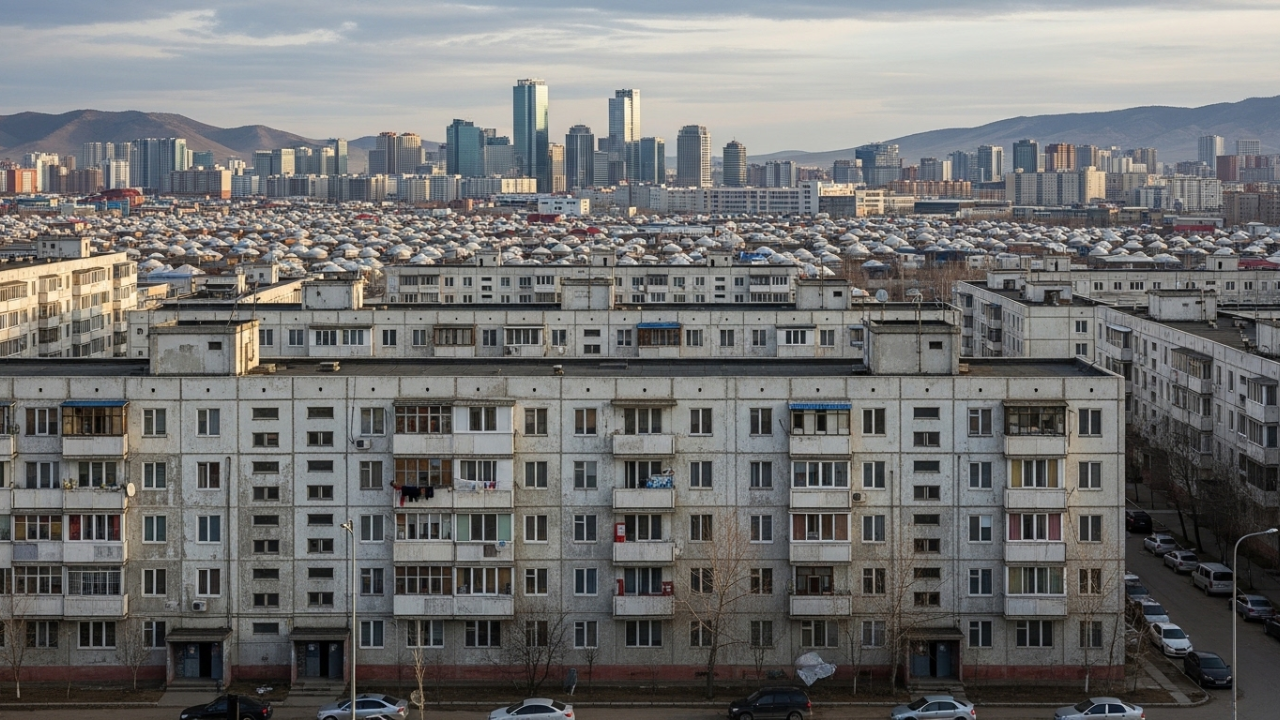
Oronsuuts represent a unique aspect of Mongolia’s urban landscape, reflecting its rich cultural heritage and modern development. These distinctive apartment buildings have become synonymous with city life in Ulaanbaatar, offering insight into the country’s architectural evolution.
As more people flock to urban centers, understanding oronsuuts becomes essential for anyone interested in Mongolian culture or real estate trends. Whether you’re an expat looking to settle down or a researcher delving into housing patterns, this guide will illuminate the fascinating world of oronsuuts.
Understanding Oronsuuts
Oronsuuts are a distinctive form of housing primarily found in Mongolia, shaped by the country’s unique cultural and environmental factors. These structures often reflect a blend of modern design with traditional influences, making them stand out in urban landscapes.
Characterized by compact living spaces, Oronsuuts prioritize functionality while catering to the needs of residents. They typically feature communal areas that foster social interaction among neighbors, enhancing community ties within these apartment complexes.
Evolution and Origin of Oronsuuts in Mongolia
Oronsuuts originated in Mongolia during the Soviet era, reflecting a unique blend of functionality and communal living. These apartment styles emerged as urbanization increased, providing solutions to housing shortages faced by many.
Over time, oronsuuts evolved with changing architectural influences while maintaining their signature design features. They became synonymous with post-war architecture in Mongolia, offering both practicality and affordability for families navigating the complexities of city life. This evolution made them an integral part of Mongolian urban culture today.
Key Features and Functionality
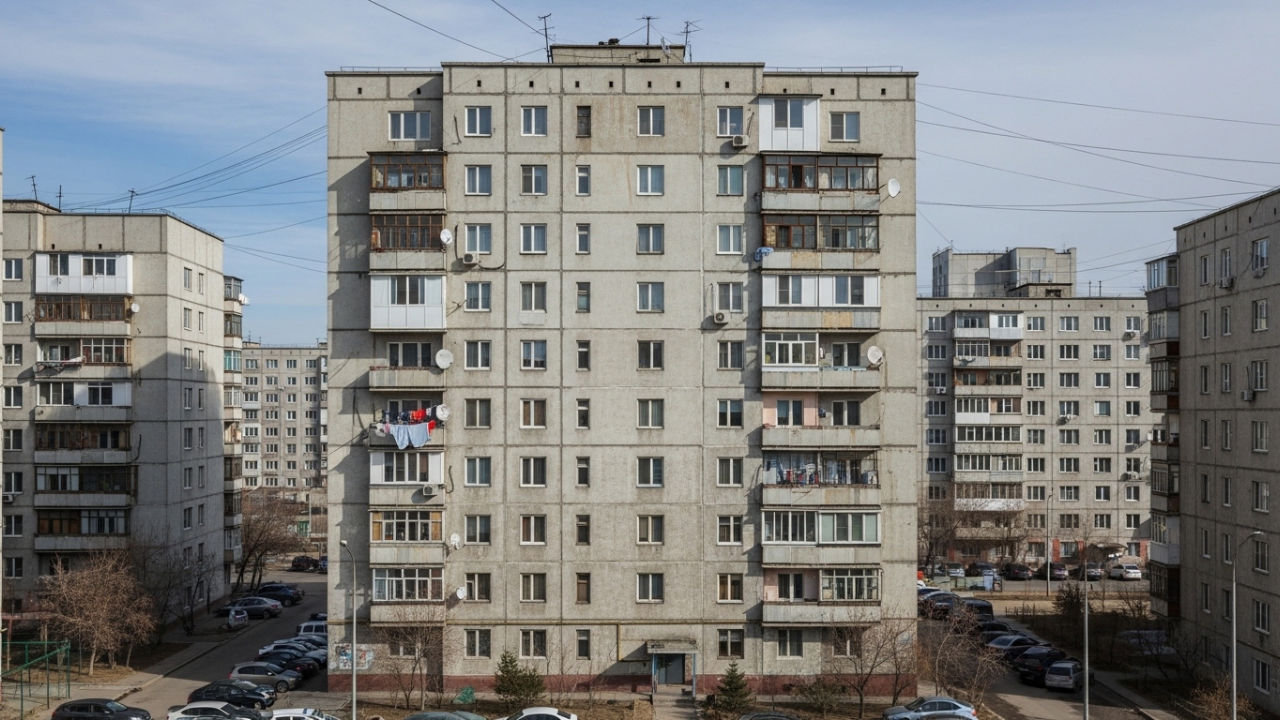
Oronsuuts are characterized by their utilitarian design and efficient use of space. These apartments often feature compact layouts that prioritize functionality, making them ideal for urban living. The architecture is typically straightforward, emphasizing practicality over extravagance.
Many Oronsuuts come equipped with essential amenities like centralized heating and communal facilities. This blend of simplicity and utility caters to a diverse demographic, from young professionals to families seeking affordable housing in bustling cities. Their design reflects a balance between comfort and pragmatism.
Oronsuuts in Urban Life
Oronsuuts play a significant role in urban life, offering affordable housing solutions amid rising costs. These unique apartments cater to various demographics, from young professionals to families seeking community living experiences.
With their distinct architectural style and functionality, Oronsuuts foster a sense of belonging. Residents enjoy easy access to public transport and local amenities, enhancing convenience while promoting social interaction among neighbors. This blend of affordability and accessibility makes them an attractive option for many city dwellers.
Pros and Cons
Oronsuuts offer a blend of affordability and practicality, making them attractive to many residents. They often come with essential amenities that cater to urban lifestyles, providing easy access to public transport, shops, and services.
However, living in an Oronsuut can also present challenges. Limited space and the potential for noise from neighbors may detract from the overall experience. Additionally, older buildings might require maintenance or renovations that can be costly over time.
Market Dynamics and Pricing
The market dynamics for oronsuuts are influenced by various factors, including location, amenities, and demand. Urban areas with better infrastructure typically see higher prices due to increased desirability.
Pricing varies significantly between older Soviet-era buildings and newer constructions. As more modern designs emerge, buyers often seek contemporary features while valuing historical significance. This balance creates a unique landscape in the oronsuuts market that reflects both tradition and innovation.
Impact of Neighborhood and Design
The neighborhood surrounding oronsuuts plays a crucial role in shaping residents’ experiences. Access to amenities, public transport, and green spaces can enhance the appeal of these buildings. A vibrant community often leads to higher satisfaction among inhabitants.
Design elements also significantly impact living quality within oronsuuts. Thoughtful layouts can maximize space and natural light, creating a more inviting atmosphere. Modern touches combined with traditional aesthetics resonate well with buyers and renters alike, blending functionality with cultural heritage.
Management of Oronsuuts Buildings
Effective management of Oronsuuts buildings is crucial for maintaining their structural integrity and livability. Building managers oversee maintenance, ensuring that common areas are clean and facilities function properly. They also handle tenant concerns and facilitate communication between residents.
Additionally, management teams often coordinate community events to foster a sense of belonging among tenants. This engagement can enhance the overall living experience while promoting neighborly relationships in these unique urban spaces. Investing in good management leads to happier residents and well-maintained properties.
Rental Market and Investment Insights
The rental market for oronsuuts is experiencing a notable shift. Demand continues to grow as urbanization increases in major Mongolian cities like Ulaanbaatar. Investors are keen on these unique structures, drawn by their potential for steady returns.
Rent prices can vary significantly based on location and amenities. Many young professionals seek modern conveniences within traditional designs, making oronsuuts an attractive option. Understanding local trends and tenant preferences is crucial for maximizing investment opportunities in this dynamic landscape.
Future Outlook
The future of oronsuuts looks promising as urbanization continues to rise in Mongolia. These unique living spaces are likely to evolve with modern design trends while maintaining their cultural essence.
New developments may incorporate eco-friendly materials and smart home technologies, making them even more appealing to residents. This shift could attract younger generations seeking affordable yet stylish housing options in bustling city areas. As demand grows, the oronsuuts market is set for significant transformation and innovation.
Conclusion
The world of oronsuuts offers a fascinating glimpse into the unique architectural styles and living conditions shaped by history. These distinctive buildings not only reflect Mongolia’s cultural heritage but also adapt to modern urban needs.
As interest in oronsuuts grows, understanding their characteristics becomes essential for prospective residents and investors alike. Exploring this rich tapestry can lead to exciting opportunities in housing, community engagement, and sustainable living practices.
FAQ
People often wonder about the unique housing styles in different cultures. One common question is, “What are those Russian apartments called?” They refer to them as Khrushchyovkas or Brezhnevkas, named after Soviet leaders. These buildings symbolize a significant period in urban development.
Another frequent inquiry focuses on communal living during the Soviet era. Many lived in shared spaces known as kommunalkas. This brought families together but also created challenges in privacy and personal space, shaping a distinctive lifestyle that still resonates today.
What are those Russian apartments called?
Russian apartments are commonly referred to as “Khrushchyovkas,” named after Nikita Khrushchev, who oversaw their mass construction in the 1960s. These concrete panel buildings were designed to provide affordable housing during a time of significant urban migration and population growth.
Another term you might hear is “Stalinka,” which refers to the more ornate Soviet-era buildings constructed before World War II. Both types reflect distinct architectural styles and living conditions prevalent in Russia’s urban landscape over several decades.
What kind of housing do Russians live in?
Russians live in a variety of housing types, reflecting the country’s diverse culture and history. From urban apartments to rural dachas, there is something for everyone. In cities like Moscow and St. Petersburg, high-rise buildings dominate the skyline.
Many residents reside in Soviet-era structures known as Khrushchyovkas, characterized by their practicality over aesthetics. These compact flats offer essential amenities but can be quite cramped. Newer developments now incorporate modern conveniences while preserving affordability for families across different regions.
What is Soviet style housing?
Soviet-style housing refers to the architectural designs and construction methods used during the Soviet era, primarily from the 1920s to the 1980s. These buildings often featured utilitarian aesthetics, concrete materials, and a focus on functionality over decorative elements.
Characteristically, they include large apartment complexes known as “Khrushchyovkas,” named after Nikita Khrushchev. These structures were designed to address housing shortages while accommodating many families in compact living spaces. The result was a uniformity that defined much of urban life in the former Soviet Union.
What were the communal apartments in the Soviet Union?
Communal apartments, or “kommunalka,” were a hallmark of Soviet housing. These living arrangements emerged in the early 20th century and became widespread after World War II. Families shared kitchens, bathrooms, and common areas while having private rooms. This setup aimed to address housing shortages but often led to conflicts over privacy and resources.
Residents formed unique social dynamics within these spaces, creating a blend of community and tension. While many found camaraderie among neighbors, others struggled with the lack of personal space. It offers an interesting lens through which we can view the evolution of communal living not only in Russia but globally.
The legacy of these apartments still influences modern urban design concepts today. As cities adapt to growing populations and changing lifestyles, lessons from communal living continue to resonate throughout contemporary society.