
Introduction
Have you ever wondered why certain places in Russia carry the word “Veliky” in their names—or why the entire country has sometimes been called “Great Russia”? You’re not alone. For travelers, history buffs, and anyone curious about Russian culture, the term can be confusing. Is it a city? A region? A political slogan? The answer, as it turns out, is all of the above—and none of them quite capture the full picture.
Veliky (Великий) simply means “great” in Russian. But behind this single word lies a tapestry of history stretching back over a thousand years—from medieval republics and imperial titles to modern-day travel destinations and even political movements. This article unpacks everything you need to know about Veliky Russia: its historical origins as “Great Russia,” the famous cities that bear the name, why the concept still resonates today, and how you can experience it for yourself. Whether you’re planning a trip along Russia’s Golden Ring or simply want to understand the cultural weight behind the word “great,” you’ll find answers here.
What Is Veliky Russia?
The Meaning of “Veliky”
At its most basic level, Veliky is the Russian word for “great,” “grand,” or “large”. It appears in masculine form (Veliky), feminine form (Velikaya), and neuter form (Velikoye), depending on what it describes. The term has deep Slavic roots and has been used for centuries to denote something of exceptional size, importance, or historical significance.
Great Russia as a Historical Concept
Perhaps the most significant use of “Veliky” in relation to the country itself is Great Russia (Великая Россия, Velikaya Rossiya; or Великороссия, Velikorossiya). This was a historical name applied to the territories of “Russia proper”—the land that formed the core of the Grand Duchy of Moscow and later the Tsardom of Russia.
The term is believed to have originated with the Byzantine Greeks, who used Μεγάλη Ῥωσσία (Megálē Rhōssía) to distinguish the northern lands of the Rus’ from “Little Russia” (much of modern-day Ukraine). The name was artificial in origin—likely coined by clergy or learned men—and began appearing in the Russian Tsar’s official title only in the 16th century.
From 1654 to 1721, Russian Tsars formally adopted the title: “The Sovereign of all Rus’: the Great, the Little, and the White” —referring to Great Russia (core Russian lands), Little Russia (Ukraine), and White Russia (Belarus).
By the 19th and early 20th centuries, Velikorossiya became the official name for the European part of the Russian state that had been incorporated before the mid-17th century, with a predominantly ethnic Russian population. It encompassed about 30 provinces.
The Soviet Connection
The term “Great Russia” also appears in the opening lines of the Soviet national anthem: “Unbreakable Union of freeborn Republics, Great Russia has welded forever to stand!”. This usage underscores how the concept of a “great” Russia persisted even through the Soviet era, albeit reinterpreted through a communist lens.
Modern Usage
Today, “Veliky Russia” is not an official name for the country—Russia is simply Rossiya (Россия). However, the term still appears in various contexts. In 2026, former Russian president Dmitry Medvedev remarked in an interview: “We don’t call ourselves Great Russia. Although we are, of course, Great Russia, we don’t call ourselves that.”. The comment sparked discussion about national identity and how Russia perceives itself on the world stage.
The term is also used by the Great Russia political party, a far-right nationalist group established in 2007—though this represents only one, and controversial, modern interpretation of the name.
Why Veliky Russia Matters: 5 Key Benefits of Understanding This Concept
1. Unlock Russian History
Understanding “Veliky Russia” is essential for grasping Russian history. The distinction between Great, Little, and White Russia explains centuries of political and cultural relationships between Russians, Ukrainians, and Belarusians. It sheds light on how the Russian Empire expanded and how national identities formed.
2. Appreciate Russia’s Oldest Cities
Several of Russia’s most historic cities carry the “Veliky” designation. Each tells a unique story:
-
Veliky Novgorod — Founded in 859, this is one of Russia’s oldest cities. It was the capital of the Novgorod Republic, a medieval trading powerhouse that stretched from the Baltic to the Urals. It’s known as the “cradle of Russian democracy” for its citizen assembly (veche).
-
Rostov Veliky — A town on Lake Nero, founded in 862, and a key stop on the Golden Ring tourist route.
-
Veliky Ustyug — A northern town officially recognized since 1999 as the home of Ded Moroz, the Russian equivalent of Santa Claus.
-
Velikiye Luki — A city whose name means “great meanders,” referring to the bends of the Lovat River. It played a crucial defensive role in both medieval and World War II history.
3. Enhance Your Travel Experience
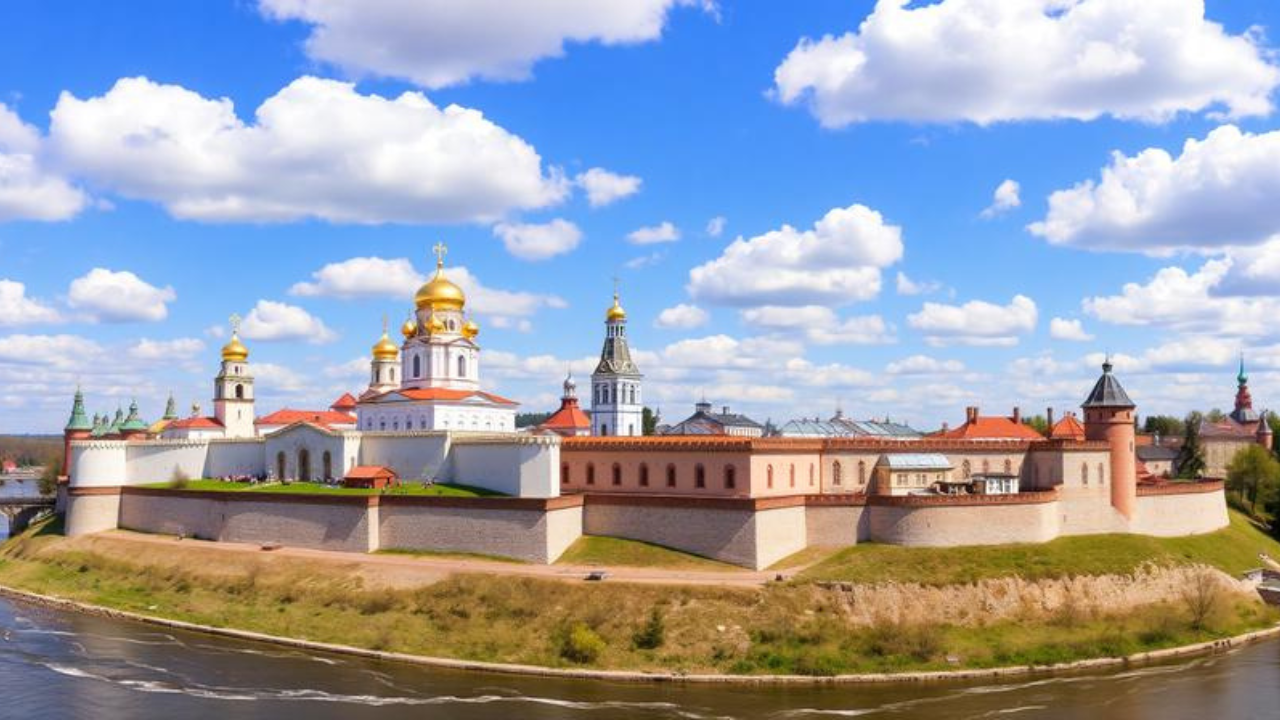
If you’re visiting Russia, knowing about Veliky Russia transforms your trip from sightseeing into a historical journey. Veliky Novgorod, in particular, is often called the “Birthplace of Russia”. Its UNESCO-listed Kremlin (Detinets) contains the 11th-century St. Sophia Cathedral—the oldest surviving Orthodox church in Russia. Many travelers recommend visiting between May and October for the best weather.
4. Understand Russian National Identity
The concept of “greatness” is deeply woven into Russian self-perception. From the Tsarist imperial title to the Soviet anthem to modern political rhetoric, the idea of a “great” Russia has been a recurring theme. Understanding this helps explain Russian patriotism, foreign policy, and cultural pride.
5. Connect with Russian Language and Culture
Learning about “Veliky” is also a doorway into the Russian language itself. The word appears in countless contexts—from surnames to place names to everyday expressions. Recognizing it helps you decode Russian texts and conversations more easily.
Step-by-Step Guide: How to Explore Veliky Russia
Step 1: Start with Veliky Novgorod
If you can visit only one “Veliky” destination, make it Veliky Novgorod. Located 552 km northwest of Moscow, it’s easily accessible by train from both Moscow and St. Petersburg. Must-see attractions include:
-
Novgorod Kremlin (Detinets) — One of the oldest fortresses in Russia
-
St. Sophia Cathedral — Built before 1050, the oldest church in Russia
-
Millennium of Russia Monument — A massive bronze sculpture commemorating 1,000 years of Russian history
Step 2: Follow the Golden Ring
Rostov Veliky is part of the Golden Ring, a popular tourist circuit northeast of Moscow. The city is famous for:
-
Rostov Kremlin — A stunning ensemble of white-stone churches and towers
-
Lake Nero — A picturesque lake with boat tours and scenic views
Step 3: Visit Veliky Ustyug (Seasonal)
For a uniquely Russian experience, visit Veliky Ustyug—especially during winter. As the official residence of Ded Moroz (Grandfather Frost), it’s a magical destination for families and anyone interested in Russian folklore. The town is located 930 km northeast of Moscow.
Step 4: Explore Velikiye Luki for Military History
For those interested in military history, Velikiye Luki in Pskov Oblast offers a different perspective. The city was a key fortress defending Novgorod lands from Lithuanian and German crusaders. During World War II, its defenders held out against overwhelming German forces for over a month. In 2008, it was awarded the honorary title “City of Military Glory”.
Step 5: Dive into the History of “Great Russia”
Even if you can’t travel, you can explore the concept of Veliky Russia through books and online resources:
-
Read the Wikipedia entry on Great Russia for a solid historical overview
-
Explore Russian history books that cover the Tsarist period and the evolution of Russian national identity
-
Watch documentaries on medieval Russia and the Novgorod Republic
Common Mistakes to Avoid
Mistake 1: Confusing “Veliky Russia” with the Modern Country
Many people assume “Veliky Russia” is an official name for Russia today. It is not. Russia’s official name is the Russian Federation (Российская Федерация). “Great Russia” is a historical and cultural term, not a current political designation.
Mistake 2: Thinking All “Veliky” Places Are the Same
Each “Veliky” city has its own distinct history and character. Veliky Novgorod was a medieval republic and trading hub; Rostov Veliky was a religious center; Veliky Ustyug was a trading post that later became a folklore destination; Velikiye Luki was a fortress city. Don’t lump them together!
Mistake 3: Ignoring the Political Nuance
The term “Great Russia” has been used by various political movements, including far-right nationalist groups. When using the term, be aware of these connotations and clarify whether you mean the historical, cultural, or political sense.
Mistake 4: Mispronouncing “Veliky”
The correct pronunciation is vye-LEE-kee (with a soft “v” and stress on the second syllable). Mispronouncing it as “VELL-ih-kee” is a common error among English speakers.
Mistake 5: Overlooking Lesser-Known “Veliky” Sites
Most travelers focus on Veliky Novgorod and Rostov Veliky, but don’t forget Veliky Ustyug and Velikiye Luki. Each offers a unique window into Russian history and culture that you won’t find in the more famous destinations.
FAQs
1. What does “Veliky” mean in Russian?
“Veliky” (Великий) means “great,” “grand,” or “large” in Russian. It’s used to denote something of exceptional size, importance, or historical significance.
2. Is “Veliky Russia” the same as Russia today?
No. “Veliky Russia” (or “Great Russia”) is a historical term for the core territories of the Grand Duchy of Moscow and later the Tsardom of Russia. It is not the official name of modern Russia, which is the Russian Federation.
3. What are the main “Veliky” cities in Russia?
The main cities with “Veliky” in their names are:
-
Veliky Novgorod — One of Russia’s oldest cities, founded in 859
-
Rostov Veliky — A historic town on the Golden Ring, founded in 862
-
Veliky Ustyug — The official home of Ded Moroz (Russian Santa Claus)
-
Velikiye Luki — A fortress city with the name meaning “great meanders”
4. Why is Novgorod called “Veliky”?
Novgorod earned the “Veliky” (Great) designation because of its historical importance. In the Middle Ages, it was the capital of the Novgorod Republic, a vast trading state that stretched from the Baltic to the Urals. The city was styled “Lord Novgorod the Great” and was one of the most important political and economic centers of medieval Europe. The title was officially restored in 1999 to distinguish it from Nizhny Novgorod.
5. Can I visit Veliky Russia sites today?
Absolutely! All the “Veliky” cities are open to tourists. Veliky Novgorod and Rostov Veliky are particularly popular and easily accessible. The best time to visit is from May to October, when the weather is warm and the scenery is at its best.
Conclusion
Veliky Russia is far more than a translation of “Great Russia.” It is a historical concept that shaped the identity of the Russian state, a collection of ancient cities that preserve the country’s medieval heritage, and a cultural idea that continues to resonate in modern politics and national pride. From the Byzantine Greeks who first used the term to distinguish the northern Rus’ lands, to the Tsars who proudly styled themselves sovereigns of “all Rus’: the Great, the Little, and the White,” to the travelers who today walk the streets of Veliky Novgorod—the word “Veliky” carries weight.
Whether you’re planning a journey along the Golden Ring, researching Russian history, or simply curious about the meaning behind the name, understanding Veliky Russia enriches your appreciation of one of the world’s most fascinating countries. The cities that bear this title are not just tourist attractions—they are living museums of Russian civilization, each with its own story to tell.
Ready to explore more? Read our guide to the Golden Ring of Russia and discover the other historic towns that shaped this remarkable nation. Don’t forget to subscribe for more deep dives into Russian history, culture, and travel!