
Introduction
Ever come across the word “bilieter” and had zero idea what it actually means? You’re not alone — search this term and you’ll find a mess of confusing, contradictory explanations online.
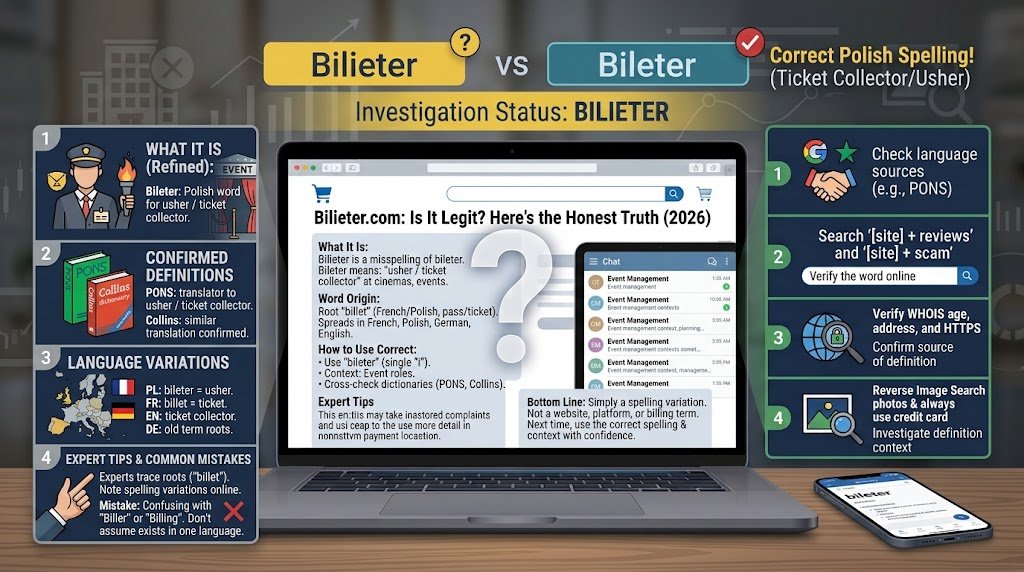
Here’s the short answer: a bilieter (more commonly spelled “bileter”) refers to a ticket collector or usher, a term with roots stretching back through multiple European languages. In this guide, you’ll learn exactly where the word comes from, how it’s used today, and why understanding terms like this matters if you’re studying languages, working in events, or just curious about word origins.
Table of Contents
- What Is a Bilieter?
- Why Does Understanding Bilieter Matter?
- Bilieter — Key Facts and Language Variations
- How To Use the Term Bilieter Correctly
- Common Mistakes People Make With This Word
- Expert Tips for Understanding Word Origins Like This
- Frequently Asked Questions
What Is a Bilieter?
At its core, a bilieter is a person who checks, collects, or manages tickets at an event — the person standing at the cinema door who glances at your ticket before waving you through, or the usher who shows you to your seat at a theater.
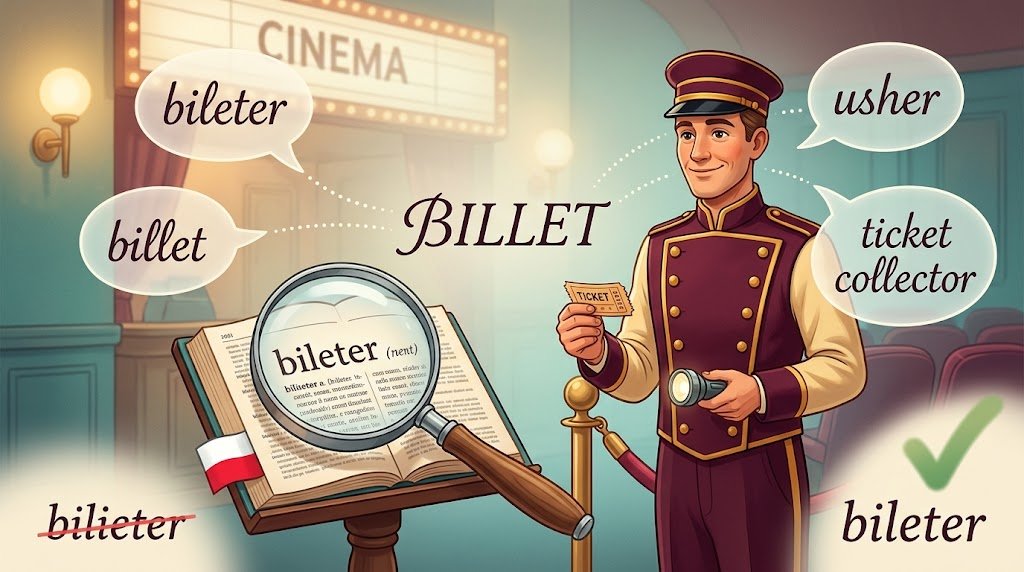
The word traces back to the older term “billet,” which meant a written note, pass, or ticket centuries ago. That root spread across several European languages, changing shape slightly in each one.
Here’s a simple way to picture it: think of “bileter” the same way you’d think of “usher” or “ticket taker” in English — it’s just the job title used in other languages for that exact same role. In Polish, “bileter” is the standard word for this job, and you’ll find it listed in both the PONS Polish-English dictionary and the Collins English Dictionary, where it translates directly to “usher” or “ticket collector.”
So if you’ve seen “bilieter” written somewhere, it’s very likely a spelling variation of this same word.
Why Does Understanding Bilieter Matter?
Knowing where a word like bilieter comes from isn’t just trivia — it actually helps you in a few practical ways:
- Better translation accuracy — If you’re translating documents or subtitles, knowing the correct term avoids embarrassing mix-ups.
- Useful for travel and events — If you’re attending a show in Poland or another European country, recognizing this word on a sign or job title makes sense of your surroundings.
- Helps with language learning — Root words like “billet” show up across French, Polish, German, and English, making vocabulary easier to remember.
- Career relevance — If you’re studying event management or hospitality, understanding regional job titles like bileter builds real-world vocabulary.
- Dictionary accuracy matters — According to the, precise translation of regional job terms prevents miscommunication in professional settings.
Small words like this carry a surprising amount of cultural and linguistic history.
Bilieter — Key Facts and Language Variations
The word bilieter (or “bileter”) isn’t isolated — it’s part of a whole family of similar words across Europe, all connected to the idea of tickets and passes.
Where the Word Shows Up
- Polish — “bileter” means usher or ticket collector
- French — “billet” is the root word, meaning ticket or note
- English — related to “billet” (a lodging assignment) and indirectly to “ticket”
- German — similar root words appear in older ticketing terminology
How These Terms Compare
| Term | Language | Meaning | Common Use |
|---|---|---|---|
| Bileter | Polish | Usher / ticket collector | Cinemas, theaters |
| Billet | French | Ticket / note | General ticketing |
| Ticket collector | English | Person checking tickets | Trains, events |
| Usher | English | Person guiding guests to seats | Theaters, weddings |
Notice how each version circles back to the same basic idea: someone managing access through a ticket or pass. This is common in language — words evolve slightly as they cross borders, but the core meaning often survives intact.
If you ever see “bilieter” spelled with the extra “i,” it’s most likely a misspelling or phonetic variation of “bileter,” rather than a completely separate word.
How To Use the Term Bilieter Correctly
If you want to use this word properly — whether in writing, translation, or conversation — follow these steps:
- Use the correct spelling. Stick with “bileter” (Polish) rather than “bilieter” unless you’re specifically quoting a source that uses the alternate spelling.
- Check the context first. Make sure you’re referring to a person’s job role (ticket collector/usher), not a company or product name.
- Confirm the language you’re translating into or from. The word changes meaning slightly depending on whether you’re working with Polish, French, or English sources.
- Cross-reference a trusted dictionary. Sites like PONS or Collins give you verified definitions instead of relying on random blog posts.
- Use it in the right setting. This term fits naturally in event, theater, or hospitality contexts — not tech, ticketing software, or online platforms.
- Avoid assuming it’s a brand name. Because the word looks unusual in English, some people mistakenly search for it expecting a company or app — it’s simply a job title.
Following these steps keeps your writing accurate and avoids the confusion that’s floating around online right now.
Common Mistakes People Make With This Word
- Mistake: Assuming “bilieter” is a website or app. Truth: it’s a language term for a ticket collector or usher, not a product name.
- Mistake: Confusing it with “biller” or “billing.” Truth: despite looking similar, “bileter” has nothing to do with invoices or payments — the root word is “billet,” not “bill.”
- Mistake: Using the wrong spelling in formal writing. Truth: “bileter” (single “i”) is the standard Polish spelling recognized by major dictionaries.
- Mistake: Trusting random blog explanations without checking a dictionary. Truth: many low-quality sites repeat vague definitions without citing real linguistic sources.
- Mistake: Assuming the word only exists in one language. Truth: variations of the root “billet” appear across French, Polish, and English.
Expert Tips for Understanding Word Origins Like This
- Always check two dictionary sources before trusting a definition you found in a blog post.
- Look for the root word — tracing “bileter” back to “billet” instantly clears up the confusion.
- Note the spelling variations you find online, since minor typos often create entirely new “mystery” search terms.
- Use language-learning apps to explore how loanwords shift meaning across borders.
- Bookmark reliable dictionary sites like PONS or Collins for quick, accurate checks going forward.
Frequently Asked Questions
What does bilieter mean?
“Bilieter” is a spelling variation of “bileter,” the Polish word for a ticket collector or usher — someone who checks tickets and guides guests at events like cinemas or theaters. The word comes from the older term “billet,” meaning a ticket or note. It’s confirmed in both the PONS and Collins dictionaries.
Is bilieter an English word?
Not exactly — it’s a Polish term (“bileter”) that translates to “usher” or “ticket collector” in English. The spelling “bilieter” with an extra “i” isn’t standard in any major dictionary. You may see it used informally online, but it traces back to the same Polish root.
Where does the word bileter come from?
It comes from the older root word “billet,” which historically meant a written note, pass, or ticket. This root spread across several European languages, including French and Polish, eventually forming the modern Polish word “bileter” used for ticket collectors and ushers today.
Conclusion
Here’s what you need to remember: “bilieter” is a spelling variation of “bileter,” the Polish word for a ticket collector or usher, it traces back to the root word “billet,” and it has nothing to do with apps, platforms, or billing despite how it might look at first glance. Next time you spot this word, use the correct spelling and context with confidence.
Have you come across other confusing loanwords like this one? Share them in the comments — we’d love to break down the next one.