
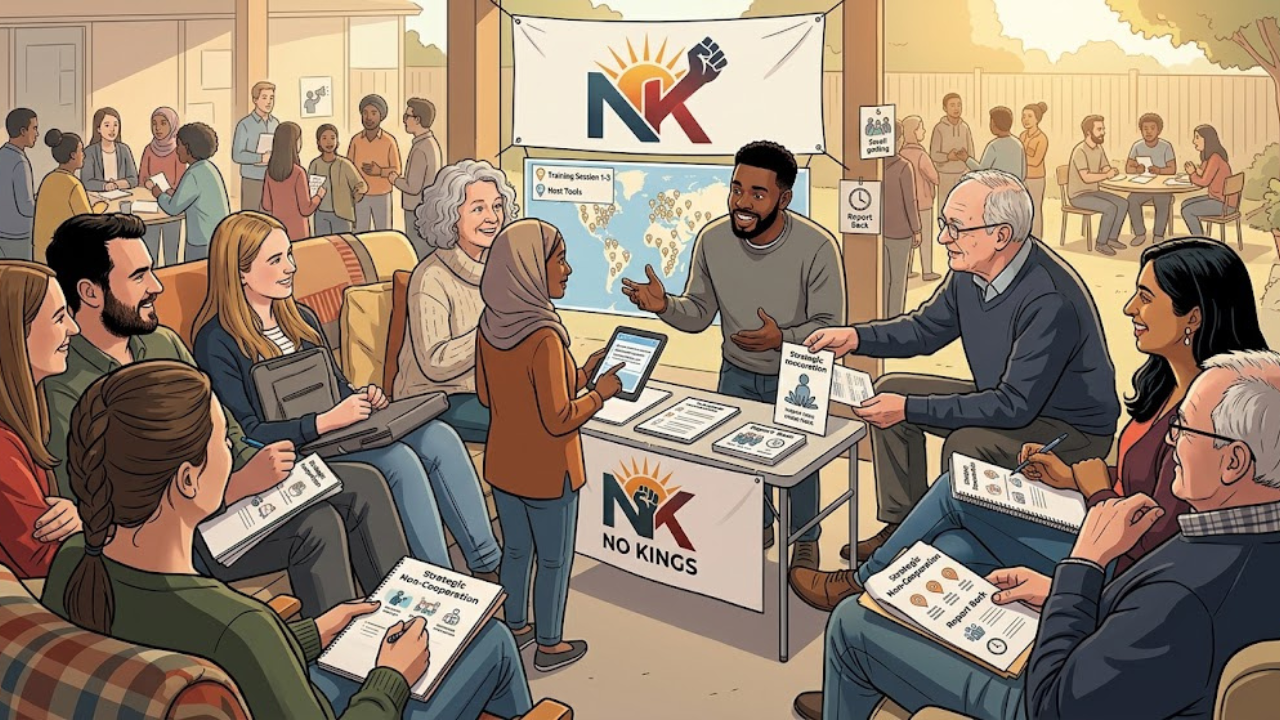
Ever heard of a protest movement that isn’t really about protesting? One Million Rising is exactly that — and it’s spreading through living rooms, backyards, and community centers across the country right now. If you’ve seen the name pop up online and wondered what it actually means, you’re in the right place. This guide walks you through what it is, why it started, how it connects to No Kings, and how you can actually get involved without feeling lost.
Table of Contents
- What Is One Million Rising?
- Why Does One Million Rising Matter?
- One Million Rising — Key Facts and How It Works
- How to Get Involved With One Million Rising
- Common Mistakes and Myths to Avoid
- Expert Tips for Best Results
- Frequently Asked Questions
What Is One Million Rising?
One Million Rising is a nationwide training campaign launched by Indivisible to teach everyday people the skills of organizing and nonviolent non-cooperation. Basically, it’s like a giant, decentralized training program — instead of one huge rally, it’s thousands of small groups meeting in homes and community spaces.
Think of it like a chain letter, but for civic power instead of luck. One person hosts a small community resistance gathering, teaches a few friends what they learned, and those friends go host their own gatherings. The goal is simple: reach one million trained, organized people who can act together instead of waiting around for the next big march.
It grew directly out of the No Kings protests, which brought millions of people into the streets in 2025 and 2026. One Million Rising is the “okay, now what?” answer — turning one-day energy into ongoing, local organizing.
Why Does One Million Rising Matter?
Big marches are powerful, but they’re also temporary. One Million Rising exists to build something that sticks around. Here’s why that matters:

- It builds sustained pressure, not just single-day spikes, which researchers say is what actually changes institutional behavior over time.
- It’s decentralized on purpose, so no single event or city becomes the whole movement — thousands of tiny gatherings add up to something bigger.
- It’s already reached huge numbers. Over 54,000 people watched just the first training recording, and more than 5,000 people committed to hosting gatherings within weeks.
- It ties directly into No Kings, which organizers estimated drew close to 7 million participants nationwide, making it one of the largest protest movements in recent U.S. history.
- It teaches real skills, not just talking points — things like campaign design and strategic non-cooperation that people can use long after the training ends.
One Million Rising — Key Facts and How It Works
One Million Rising rolled out as a three-part training series, plus ongoing local gatherings. Here’s the breakdown.
The Three Training Sessions
- Session 1 — “The Moment & Your Mission”: An overview of the strategic approach and why this moment calls for organized, sustained action.
- Session 2 — “How to Make It Happen”: A train-the-trainer session focused on leading discussions and hosting your first gathering.
- Session 3 — “What Now?”: Covers basic campaign design and connects participants to national follow-up campaigns.
One Million Rising Slides and Recordings
Every session comes with downloadable slides and a recorded video, so if you missed one live, you’re not locked out. Local Indivisible chapters typically post links to both the recordings and slide decks after each call, along with host toolkits for running your own gathering.
One Million Rising vs. One Billion Rising
People sometimes mix these two up because the names sound similar — but they’re completely different campaigns. Here’s the quick comparison:
| Feature | One Million Rising | One Billion Rising |
|---|---|---|
| Focus | Anti-authoritarianism organizing | Ending violence against women |
| Launched by | Indivisible | V-Day (Eve Ensler’s organization) |
| Format | Trainings + local gatherings | Annual global dance/awareness events |
| Connected to | No Kings movement | International women’s rights movement |
| Goal | Train 1 million organizers | Raise awareness and mobilize globally |
If you were searching for One Billion Rising training, that’s a separate initiative entirely, worth checking out on its own terms.
How to Get Involved With One Million Rising
- Watch the training recordings first. Start with Session 1, even if you’re joining late, so you understand the strategy before diving into local action.
- Register your own gathering on Mobilize. This is how the campaign tracks momentum, and it connects you with the official host toolkit.
- Invite around 10 people from your network. Gatherings work best small — friends, neighbors, or coworkers you can have a real conversation with.
- Use the host guide during your first meeting. It includes a full agenda, discussion prompts, and facilitation tips so you’re not winging it.
- Follow safety and de-escalation guidelines. Indivisible asks every host to commit to nonviolent action and review its safety resources before hosting.
- Report back and keep going. After your first gathering, host a second one, and stay plugged into the next national campaign updates.
Common Mistakes and Myths to Avoid
- “It’s just another protest march.” Truth: It’s built around small, local trainings and gatherings, not mass street events.
- “You need experience to host a gathering.” Truth: The whole point is that regular people, with zero organizing background, can lead one after watching the trainings.
- “One Million Rising and One Billion Rising are the same thing.” Truth: They’re unrelated campaigns with different founders, goals, and histories.
- “You have to attend all three sessions live.” Truth: Every session gets recorded, so you can catch up anytime.
- “It’s only for people already deep into activism.” Truth: It’s specifically designed to bring in first-timers who’ve never organized anything before.
Expert Tips for Best Results
- Keep your first gathering small and casual — around 10 people works better than a big, formal event.
- Use the official slides and scripts instead of winging your own presentation; they’ve been tested across thousands of gatherings.
- Follow up quickly after your gathering while momentum is still high, ideally within a week.
- Connect with your local Indivisible chapter for extra support, even if they’re not officially hosting events themselves.
- Don’t skip the safety guidance — nonviolent, de-escalation-focused organizing is core to how this movement operates.
Frequently Asked Questions
What is One Million Rising?
It’s a national organizing campaign from Indivisible aimed at training one million people in community organizing and nonviolent non-cooperation. It grew out of the No Kings protests and focuses on small, local gatherings rather than one-time mass events, with the goal of building sustained pressure over time.
How is One Million Rising connected to No Kings?
No Kings protests brought millions of people out for large, single-day demonstrations against what organizers call authoritarian actions. One Million Rising is the follow-up strategy, turning that turnout into ongoing local organizing through trainings, host toolkits, and small community resistance gatherings.
What does “No Kings” actually mean?
“No Kings” refers to rejecting the idea of any leader holding unchecked, authoritarian power in the United States. The phrase points back to the country’s founding rejection of monarchy, and organizers use it to protest actions they see as undemocratic, from executive overreach to crackdowns on civil liberties.
Wrapping It Up
One Million Rising takes the massive energy from movements like No Kings and turns it into something that lasts longer than a single afternoon. The core idea is simple: small gatherings, real training, and local action add up to real, sustained power. Whether you watch the three training sessions or jump straight into hosting your own gathering, there’s an easy entry point for anyone ready to get involved. Start today by checking out the session recordings — and tell us in the comments, have you hosted or attended a gathering yet?