
Introduction
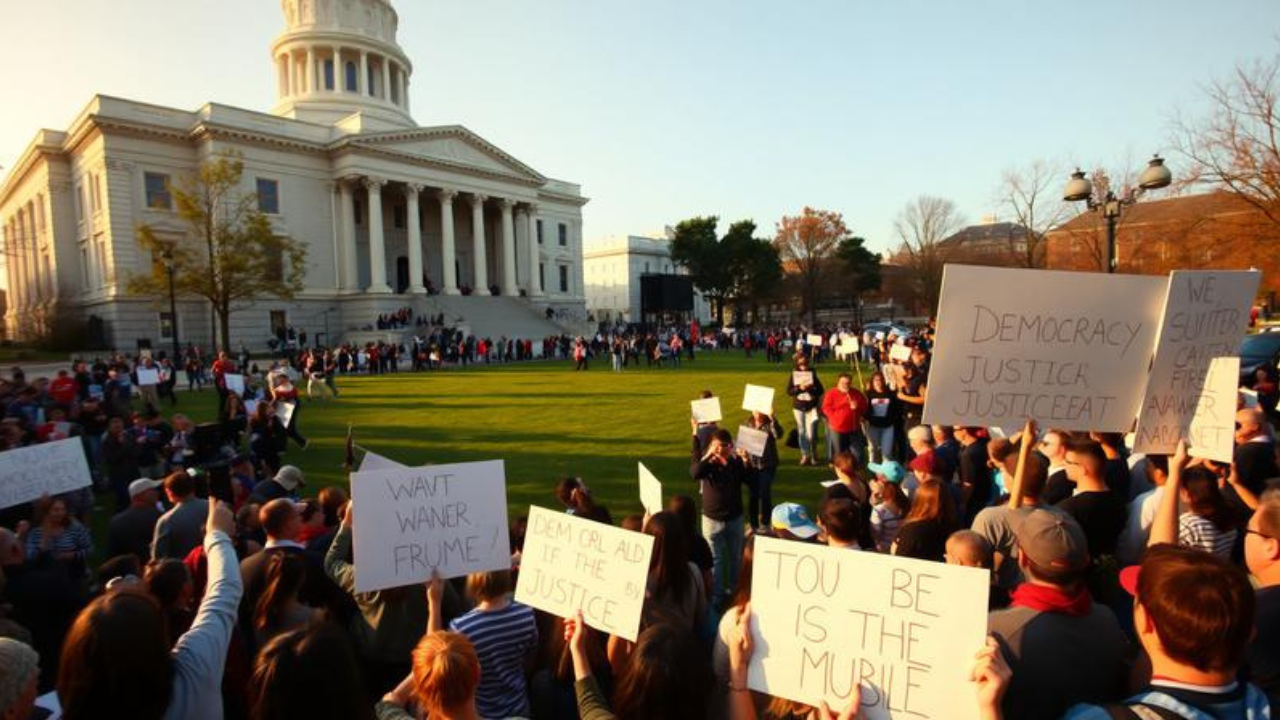
What drives hundreds of people to gather on a freezing Wednesday afternoon outside the Maryland State House, holding signs and chanting for change? Protests in Annapolis have become a defining feature of Maryland’s political landscape in 2026. From the 50501 Movement’s nationwide demonstrations to the powerful “No Kings” rallies, the state capital has emerged as a focal point for grassroots activism. This guide walks you through everything you need to know about protests in Annapolis — what’s happening, why people are marching, and how you can stay informed. You’ll learn about the major protest movements shaping Maryland, the reasons behind them, and whether the energy from 2020 is still alive today.
Table of Contents
-
What Are Protests in Annapolis? / Introduction to Annapolis Activism
-
Why Do Protests in Annapolis Matter? / Key Benefits
-
Protests in Annapolis — Key Facts, Types, and How They Work
-
How To Stay Informed and Get Involved With Protests in Annapolis
-
Common Mistakes / Myths to Avoid
-
Expert Tips for Best Results
-
Frequently Asked Questions
-
Conclusion
What Are Protests in Annapolis?
Protests in Annapolis are public demonstrations where citizens gather to express political views, demand policy changes, and hold elected officials accountable. Think of them as the community’s megaphone — a way for ordinary people to make their voices heard when they feel ignored by those in power.
The Lawyer’s Mall, located directly below the Maryland State House steps, has long been the go-to spot for protests in Annapolis. It’s where Marylanders have gathered for generations to exercise their First Amendment rights. In 2026, these protests have taken on new urgency. The 50501 Movement — whose name stands for “50 states, 50 protests, one movement” — has organized coordinated demonstrations across the country. Marylanders have joined these efforts, gathering just steps from the State House to denounce policies they see as threatening democratic institutions.
One powerful example: the Buddhist monks’ peace walk that arrived at Lawyer’s Mall in February 2026. Thousands gathered, bringing flowers and signs, captivated by the monks’ quiet but powerful presence. As one attendee put it, “The only thing that really matters is love. Period”. That’s the heart of protests in Annapolis — people from all walks of life coming together to demand a better future.
Why Do Protests in Annapolis Matter? / Key Benefits
Protests in Annapolis serve several crucial functions in a healthy democracy:
-
They Give Voice to the Voiceless: When people feel powerless, protests in Annapolis provide a platform. As one organizer put it, “We can either flee, freeze, or we can act. I choose to act”. Protests let everyday citizens speak directly to power.
-
They Hold Leaders Accountable: Elected officials pay attention when thousands show up. The “No Kings” rally in Hagerstown drew an estimated 2,500 to 3,000 people — a steep increase from previous rallies. That kind of turnout sends a clear message.
-
They Build Community: Protests in Annapolis bring together people who might never otherwise meet. Veterans, grandmothers, students, and activists stand side by side, discovering they’re not alone in their concerns.
-
They Drive Real Change: The 50501 Movement has organized events in about 600 cities nationwide, with over 3,000 “Workers over Billionaires” events planned. This scale of organizing creates pressure that policymakers can’t ignore.
-
They Preserve Democratic Norms: In an era of political division, protests in Annapolis remind us that peaceful assembly is a cornerstone of American democracy. Every protest reaffirms the principle that change comes from the people, not just from those in power.
Protests in Annapolis — Key Facts, Types, and How They Work
Types of Protests in Annapolis
| Type | Description | Recent Example |
|---|---|---|
| 50501 Movement Rallies | Nationwide coordinated protests across all 50 states on the same day | Feb 5, 2026 demonstration outside Maryland State House |
| No Kings Demonstrations | Anti-authoritarian rallies protesting executive overreach | March 28, 2026 rally at Anne Arundel County Public Schools HQ |
| Anniversary Marches | Commemorative marches marking historic civil rights events | March 2026 Selma anniversary march with hundreds of participants |
| Peace Walks | Nonpartisan, nonviolent demonstrations for peace | Buddhist monks’ peace walk in February 2026 |
| Voter Engagement Actions | Events focused on voter registration and participation | July 18, 2026 “Good Trouble Lives On” event |
How Protests in Annapolis Are Organized
Protests in Annapolis typically start with grassroots conversations on social media platforms like Reddit, Discord, Bluesky, and Signal. Organizers coordinate logistics, secure permits, and spread the word through networks like Indivisible and local activist groups.
The 50501 Movement, for example, operates as a “peaceful coalition of groups and volunteers that organize local events”. Local chapters handle the ground-level work while staying connected to the national movement.
What People Are Protesting
The reasons behind protests in Annapolis in 2026 are varied but often cluster around several key issues:
-
Immigration enforcement — particularly ICE operations and detention facilities
-
Executive overreach — concerns about presidents trampling checks and balances
-
Project 2025 — a conservative agenda that protesters say threatens democratic institutions
-
Racism and attacks on women — as seen in the Selma anniversary march
-
Economic inequality — highlighted by May Day “Workers over Billionaires” events
How To Stay Informed and Get Involved With Protests in Annapolis
Step 1: Follow Local Activist Groups
Start by following organizations active in protests in Annapolis. Groups like Indivisible, the 50501 Movement, and the Caucus of African American Leaders regularly post event information.
Step 2: Monitor Social Media and Event Platforms
Many protests in Annapolis are organized through platforms like Mobilize us. Check these sites regularly for upcoming events in your area.
Step 3: Sign Up for Newsletters
Local activist groups and news outlets send email updates about planned protests in Annapolis. Subscribe to stay in the loop without constantly checking social media.
Step 4: Attend a Meeting First
Before joining a protest, attend a planning meeting or informational session. This helps you understand the group’s values and approach. Most groups commit to nonviolent action and expect participants to act lawfully.
Step 5: Bring Friends and Family
Protests in Annapolis are stronger when communities show up together. Invite friends, family, or neighbors who share your concerns. As one organizer said, “We need to show up for one another”.
Step 6: Prepare for the Event
Wear comfortable shoes, bring water, and charge your phone. For outdoor events, dress for the weather. Most importantly, bring an open mind and a willingness to listen.
Common Mistakes
Mistake #1: “Protests don’t accomplish anything”
The truth: Protests in Annapolis have a long history of driving change. The 50501 Movement alone has organized events in hundreds of cities. When thousands show up, elected officials take notice.
Mistake #2: “You have to be an expert to participate”
The truth: Anyone can join protests in Annapolis. You don’t need political experience — just a desire to make your voice heard. As one attendee put it, “Just show up and speak up and speak out”.
Mistake #3: “All protests are violent”
The truth: The vast majority of protests in Annapolis are peaceful. Organizers explicitly commit to nonviolent action and de-escalation. Weapons of any kind are not allowed at events.
Mistake #4: “My single voice doesn’t matter”
The truth: Every participant adds to the collective voice. As one demonstrator said, “One voice, two voices, three voices, it gets louder and louder and they can’t ignore it.” Your presence matters.
Mistake #5: “Protests are only about national politics”
The truth: While many protests in Annapolis address national issues, they also focus on local concerns — from ICE detention facilities in Hagerstown to county-level decisions.
Expert Tips for Best Results
Tip 1: Know your rights. Familiarize yourself with First Amendment protections before attending protests in Annapolis. Know what you can and cannot do.
Tip 2: Stay connected. Share your location with a friend and keep your phone charged. Many protests use group messaging apps for real-time updates.
Tip 3: Bring the essentials. Water, snacks, comfortable shoes, and weather-appropriate clothing make a long day of protesting much more bearable.
Tip 4: Document responsibly. Photos and videos can help spread awareness, but always respect others’ privacy and avoid filming faces without consent.
Tip 5: Follow up after the protest. The real work happens after the march. Sign up for volunteer opportunities, attend follow-up meetings, and stay engaged.
Frequently Asked Questions
Q: Is the 50501 movement still relevant today?
Yes. The 50501 Movement remains highly active in 2026. Recent events include nationwide vigils following ICE fatal shootings in July 2026 and the “Good Trouble Lives On” voter engagement weekend in Annapolis on July 18, 2026. The movement has organized events in about 600 cities.
Q: What is the reason behind the protest?
Reasons vary, but common drivers include opposition to immigration enforcement policies, concerns about executive overreach, resistance to Project 2025, and demands for economic justice. Many protests in Annapolis also respond to specific events, such as fatal ICE shootings or threats to voting rights.
Q: Are people still protesting in Minneapolis?
Yes. Minneapolis remains a major hub for protests in 2026. In January, about 15,000 protesters braved freezing temperatures in one of the largest demonstrations in Minnesota history. Recent protests have focused on ICE operations, with organizers urging the state to adopt sanctuary policies. Some protesters have even faced federal conspiracy charges.
Conclusion
Protests in Annapolis are more than just gatherings — they’re a vital expression of democratic participation. Three key takeaways: First, the 50501 Movement and other groups are organizing at an unprecedented scale, with events in hundreds of cities nationwide. Second, the reasons people protest range from immigration policy to economic justice, but the common thread is a desire for accountability and change. Third, anyone can participate — no expertise required, just a willingness to show up.
Start today. Follow local activist groups, mark your calendar for the next event, and bring a friend. Democracy isn’t passive — it requires active, engaged citizens. As one organizer said, “We can either flee, freeze, or we can act. I choose to act”.
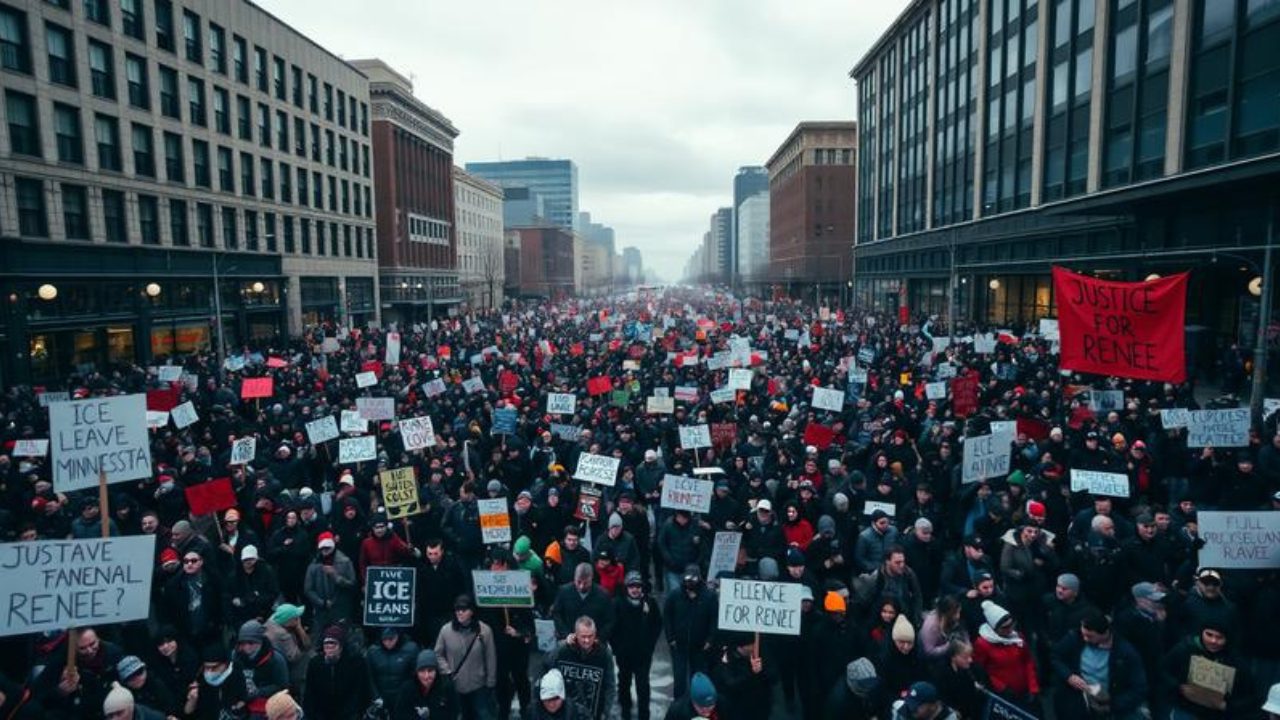
Why are people protesting in Minneapolis right now?
People are protesting in Minneapolis primarily in response to a large-scale federal immigration enforcement crackdown. The protests were ignited by the fatal shooting of two U.S. citizens by federal agents: Renee Nicole Good, a 37-year-old mother of three, who was killed by an ICE agent on January 7, 2026, and Alex Pretti, a 37-year-old ICU nurse, who was shot and killed by federal agents on January 24, 2026.
These shootings have fueled a broader movement demanding that ICE leave Minnesota and that the state adopt sanctuary policies. Protests have included massive demonstrations, such as one where 15,000 people braved freezing temperatures, and actions like an economic blackout where over 700 businesses closed in solidarity. The federal government has also charged 15 protesters with conspiracy for resisting ICE operations, which has further galvanized the movement.
Is it safe to walk around Annapolis?
Yes, it is generally considered safe to walk around Annapolis. Multiple sources describe the city as “very safe” and “tourist-friendly,” with a low violent crime rate in the downtown area. One analysis shows Annapolis has a significantly lower violent crime rate than the national average (5.28 vs. 13.32 per 1,000). As of July 20, 2026, the city had gone 379 days without a homicide.
However, you should still take normal precautions. While violent crime is low, some sources note that the overall crime rate can be higher than average, and it’s wise to be cautious at night, especially near the waterfront, and to use designated crosswalks on busy streets.
How many protestors have been killed in Minneapolis?
At least two protesters have been killed in Minneapolis in 2026.
-
Renee Nicole Good: A 37-year-old mother of three and U.S. citizen, she was shot and killed in her car by ICE agent Jonathan Ross on January 7, 2026.
-
Alex Pretti: A 37-year-old ICU nurse and U.S. citizen, he was shot and killed by federal agents during a confrontation on January 24, 2026.
Investigations into both fatal shootings are ongoing.
How many people are attending No Kings rallies?
The “No Kings” rallies have drawn massive crowds, making them some of the largest protests in U.S. history.
-
Nationally: The third “No Kings” rally on March 28, 2026, drew an estimated 8 to 9 million people across more than 3,300 events nationwide.
-
In Minneapolis: The flagship rally in Minneapolis on the same day drew over 200,000 demonstrators.
This represents significant growth from previous rallies, which drew 5 million in June 2025 and 7 million in October 2025.