
Introduction
Did you know that the Pueblo D60 school board makes decisions that affect everything from your class size to whether your school stays open? If you’re a student in Pueblo, the people on that board shape your daily life more than you might realize. Yet most students have no idea who their Pueblo D60 school board candidate even is — or why it matters.
This article is your crash course. You’ll learn what school board members actually do, why the 2026 elections are critical, and how you — yes, you — can pay attention and get involved. No boring jargon. No fluff. Just the facts you need to understand how your school district really works.
Table of Contents
-
What Is a Pueblo D60 School Board Candidate?
-
Why Does the Pueblo D60 School Board Matter to You?
-
Pueblo D60 School Board — Key Facts and How It Works
-
How To Evaluate a Pueblo D60 School Board Candidate
-
Common Mistakes Students Make About School Board Elections
-
Expert Tips for Staying Informed
-
Frequently Asked Questions
What Is a Pueblo D60 School Board Candidate?
A Pueblo D60 school board candidate is someone running for a seat on the Board of Education for Pueblo School District 60. This board is the governing body that oversees the entire district — that’s over 16,000 students across multiple elementary, middle, and high schools.
Think of the school board like the “city council” for your schools. They don’t teach classes or run the day-to-day operations, but they make the big decisions that shape how your education works. The board hires the superintendent, approves the budget, sets district policies, and decides things like which schools stay open and which ones close.
School board elections are non-partisan, meaning candidates don’t run as Democrats or Republicans. They serve four-year terms, and elections happen every two years. In 2025, seven candidates ran for two open seats, including Tommy Farrell (a former board president), Derion Michael Ibarra (a school principal), and Rae Carnevale (a mental health professional).
Here’s a real-world example: in January 2026, the Pueblo D60 board voted 3-2 to approve a “right-serving plan” that closed three elementary schools and opened a new pre-collegiate middle school. That decision affected thousands of students — and it was made by the board members you can vote for (or against).
Why Does the Pueblo D60 School Board Matter to You?
You might think school board elections are boring adult stuff. But here’s the truth: the board’s decisions hit you directly. Here’s why you should care:
-
Your school’s future — The board decides whether schools stay open, get renovated, or close. In 2026, the board approved a plan that closed three neighborhood elementary schools. That meant hundreds of students had to change schools.
-
Your teachers and staff — The board hires the superintendent, who then hires principals and teachers. Board policies affect teacher pay, class sizes, and what resources your school gets.
-
Your safety — School safety is a top priority for board members. Candidates like Lucretia Robinson have called for safety to be “part of the curriculum”.
-
Your mental health — Candidates like Rae Carnevale, a licensed mental health professional, have pushed for better mental health support in schools. Board decisions can fund counselors or cut them.
-
Your classes and programs — The board approves curriculum, STREAM programs, vocational training, and concurrent enrollment options.
One stat to think about: In the 2025 election, over 46,000 votes were cast for Pueblo D60 board seats. But students — the people most affected — had the smallest voice. That’s because you have to be 18 to vote. But that doesn’t mean you can’t pay attention, speak up, and make your opinions known.
Pueblo D60 School Board — Key Facts and How It Works
How the Board Is Structured
The Pueblo D60 Board of Education has five members, all elected at-large. That means they represent the entire district, not specific neighborhoods. Members serve staggered four-year terms, so not all seats are up for election at the same time.
What the Board Actually Does
The board’s main responsibilities include:
-
Educational planning and evaluation — Setting academic goals and measuring progress
-
Staffing and appraisal — Hiring and evaluating the superintendent
-
School facilities — Deciding on building maintenance, renovations, and closures
-
Financial resources — Approving the district budget (hundreds of millions of dollars)
-
Communication — Engaging with the community and families
Who Runs for School Board?
Anyone who lives in the district and meets basic requirements can run. In recent elections, candidates have come from all backgrounds:
| Candidate | Background | Key Priority |
|---|---|---|
| Tommy Farrell | Former board president | District leadership |
| Derion Michael Ibarra | School principal, gym owner | Youth development |
| Rae Carnevale | Mental health professional | Student mental health |
| Kathy DeNiro | Teacher, principal, administrator | School safety, reading skills |
| Daniel McHenry | School choice advocate | Parental involvement, vocational programs |
| Fred Galves | Attorney, Harvard graduate | — |
| Lucretia Robinson | Corrections background | School safety |
Source: 2025 Pueblo D60 board election
How Elections Work
School board elections happen every two years. In 2025, two seats were open. The top two vote-getters won — Tommy Farrell and Derion Michael Ibarra. The 2026 election cycle will determine future seats, so it’s important to stay tuned.
How To Evaluate a Pueblo D60 School Board Candidate
So you want to figure out which Pueblo D60 school board candidate deserves your support (or your parents’ votes)? Follow these steps:
Step 1: Find out who’s running. Check the Pueblo County Clerk’s website or local news outlets like the Pueblo Chieftain. Candidates must file official paperwork, so the list is public.
Step 2: Read their campaign websites. Most candidates have a website or social media page. Look for their priorities — what do they actually want to do? For example, Daniel McHenry’s website says classrooms should focus on “reading, writing, math and real-world skills”.
Step 3: Watch candidate forums and debates. In October 2025, candidates spoke at Pueblo Community College about school safety, mental health, and student achievement. These events are goldmines for understanding where candidates stand.
Step 4: Check their experience. Ask: Have they worked in education? Do they have experience with budgets? Have they served on other boards? Kathy DeNiro has a doctorate in educational leadership and decades of experience as a teacher and principal.
Step 5: Look at their track record. If they’ve served before, what did they accomplish? Tommy Farrell previously served as board president. Did the district improve under his leadership? That’s worth investigating.
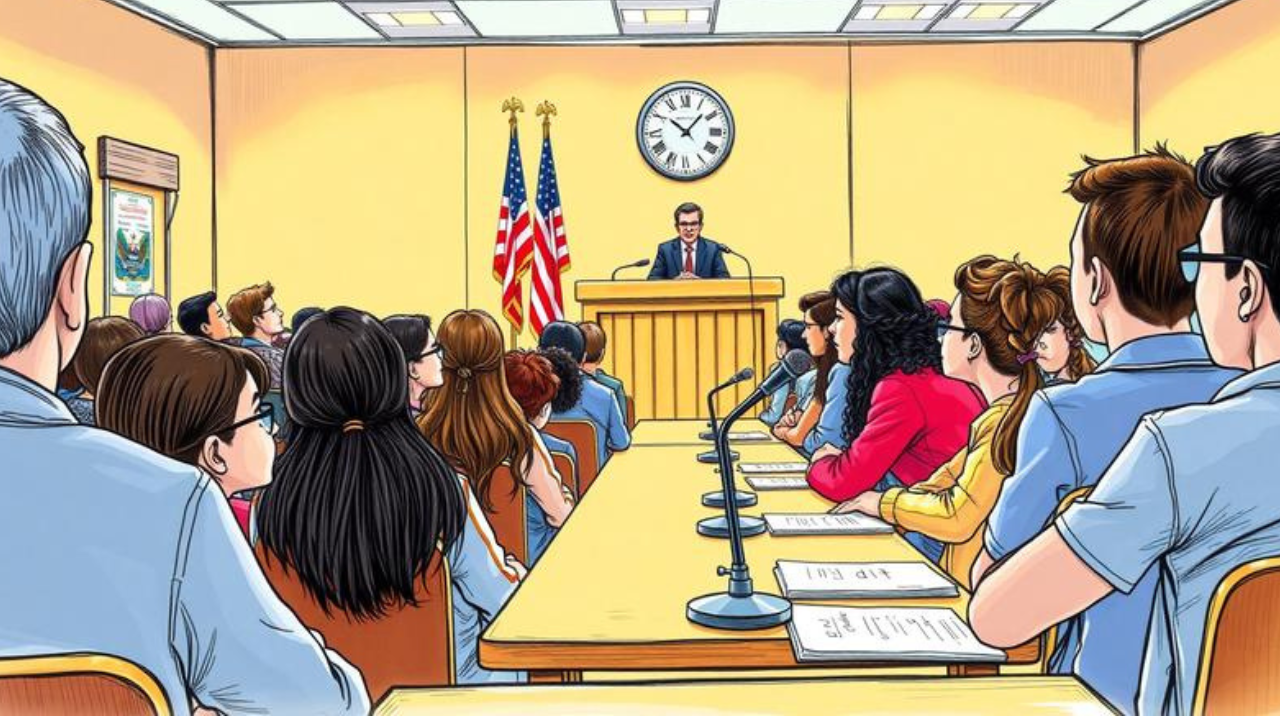
Step 6: Ask questions. Go to a Pueblo D60 board meeting — they’re open to the public. You can see how current board members interact, debate, and make decisions. It’s the best way to understand what you’re voting for.
Common Mistakes Students Make About School Board Elections
Mistake #1: “School board doesn’t affect me.”
Truth: The board decides your class sizes, school safety, mental health resources, and even whether your school stays open. It affects you every single day.
Mistake #2: “I can’t vote, so I shouldn’t care.”
Truth: You can’t vote yet, but you can speak up. Board meetings have public comment sections. Your parents, teachers, and older siblings can vote — and you can influence them by sharing what you know.
Mistake #3: “All candidates are the same.”
Truth: Candidates have very different priorities. Some focus on school choice, others on mental health, others on safety. Their backgrounds matter too — a principal sees things differently than a lawyer or a mental health clinician.
Mistake #4: “The election already happened, so it’s over.”
Truth: School board elections happen every two years. The 2025 election brought in new members, but more seats will open in future cycles. Pay attention now so you’re ready when the next election comes.
Mistake #5: “I’ll just vote for whoever my parents like.”
Truth: Your parents might not know everything about every candidate. Do your own research. Watch debates. Read articles. Make your own informed opinion — then share it.
Expert Tips for Staying Informed
-
Follow local news. The Pueblo Chieftain and Colorado Times Recorder cover school board elections closely. Bookmark them.
-
Attend a Pueblo D60 board meeting. They happen regularly and are open to the public. Seeing the board in action is eye-opening.
-
Follow candidates on social media. Many candidates post updates, share their views, and answer questions directly.
-
Talk to your teachers. They have firsthand experience with board decisions. Ask them how board policies affect your classroom.
-
Start a student discussion group. Get together with friends and talk about what matters to you in your school. Then research which candidates align with those priorities.
Frequently Asked Questions
Q: When is the next Pueblo D60 school board election?
School board elections in Pueblo D60 happen every two years. The most recent election was in November 2025. The next cycle will determine seats that become available in 2027. Check the Pueblo County Clerk’s website for official dates as the election approaches.
Q: Who won the last Pueblo D60 school board election?
Tommy Farrell and Derion Michael Ibarra won the two open at-large seats in the November 2025 election. Farrell received 9,248 votes (about 19.73% of the total), and Ibarra received 7,933 votes (about 16.93%). They were sworn in on December 3, 2025.
Q: Can students speak at Pueblo D60 board meetings?
Yes! Board meetings include a public comment period where community members — including students — can address the board. It’s a great way to share your perspective on issues that affect your education. Check the district’s website for meeting schedules and speaking procedures.
Conclusion
Here’s what you need to remember: the Pueblo D60 school board shapes your education, from school closures to safety to mental health support. The candidates who run for these seats come from all backgrounds — educators, mental health professionals, business owners, and more. Their decisions affect you directly.
Start today. Find out who your current board members are. Look up the next election date. Attend a board meeting. Ask questions. Your voice matters — even before you can vote.
What’s one thing you would change about your school if you could tell the school board directly? Drop your answer in the comments — we’d love to hear from you.